Wheel Alignment

Wheel Alignment in St. John, IN 

Know the Signals When Something Feels Off  

How to Know Your Car Needs a Wheel Alignment 

Your vehicle gives you signals when something isn’t quite right, and alignment issues are among the most common culprits behind a frustrating drive. If your car is pulling to one side, your steering wheel sits off-center on a straight road, or you’re noticing uneven and rapid tire wear on one edge of your tires, these are clear signs that your wheels may no longer be pointed in the right direction. Steering wheel vibration, squealing tires when turning, and handling that feels loose or unpredictable are additional warning signs worth taking seriously. At Levin Tire & Service Center in St. John, Indiana, our ASE-certified technicians use computerized alignment equipment to measure your vehicle’s angles with precision, identifying even subtle deviations that can quietly wear out your tires and stress your suspension components over time. If you’ve recently had suspension work done or hit a significant pothole, scheduling an alignment check should be a priority rather than an afterthought.  
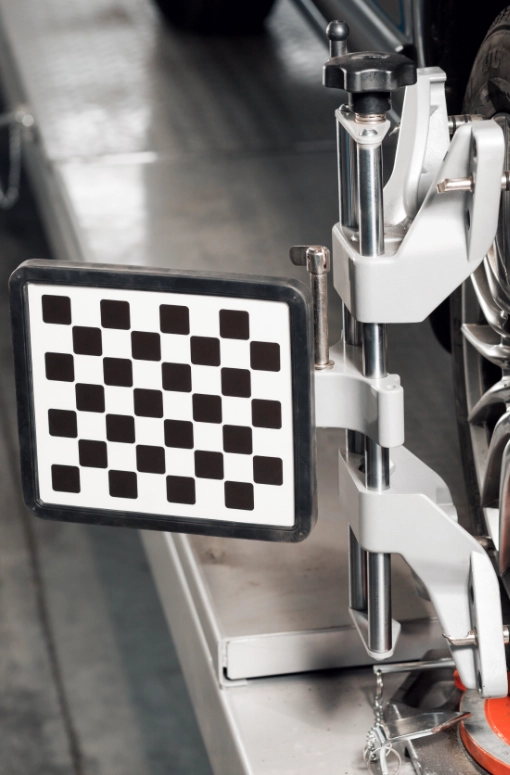
What Wheel Alignment Involves 

Professional wheel alignment is far more involved than simply pointing your tires straight ahead. During a four-wheel alignment service, technicians measure and adjust several critical angles that govern how your tires make contact with the road. Toe adjustment corrects whether your tires angle inward or outward when viewed from above, which is one of the most common causes of premature tire wear. Camber adjustment addresses the inward or outward tilt of the tire when viewed from the front of the vehicle. At the same time, caster angle affects steering stability and your steering wheel’s tendency to return to center after a turn. The thrust angle, which measures the direction your rear axle points relative to the vehicle’s centerline, is also evaluated during a comprehensive alignment to ensure all four wheels are working in harmony. Our alignment machine measures all of these angles simultaneously. It compares them directly against your vehicle’s manufacturer specifications, ensuring the corrections made are precise rather than approximate. Steering components and suspension components are also inspected during this process, since worn tie rods, ball joints, or control arm bushings can prevent an alignment from holding properly regardless of how well the adjustment is performed.  

Why Regular Alignment Service Protects Your Investment  

Tire alignment service is one of the most cost-effective forms of preventative maintenance available to vehicle owners. Yet, it’s frequently overlooked until a problem becomes obvious. Misaligned wheels cause your tires to scrub against the road at an improper angle with every mile you drive, accelerating wear and significantly shortening tire life. Beyond tires, poor alignment places added stress on steering components and suspension components, potentially turning a routine alignment check into a much larger repair if left unaddressed. Levin Tire & Service Center pairs wheel alignment with related services such as tire rotation, tire balancing, suspension inspection, and tire pressure adjustment to provide your vehicle with a thorough evaluation in a single visit. You can reach our St. John location at (219) 533-2345 or stop by at 11101 W 97th Ln. St John, IN 46373 during our regular business hours, Mon-Fri: 7:00AM-5:30PM. With 6 locations across Northwest Indiana, finding a Levin Tire & Service Center near you is straightforward. Our team is ready to help you get your vehicle driving straight, safe, and efficiently again.  

Frequently Asked Questions About Wheel Alignment

Most vehicle manufacturers and industry professionals recommend checking your wheel alignment every 12,000 miles or once a year, whichever comes first. You should also schedule an alignment check after hitting a large pothole, curb, or road debris, or any time new suspension or steering components are installed on your vehicle.
A front-end alignment adjusts only the front-axle angles, while a four-wheel alignment measures and corrects all four wheels, including the rear-axle thrust angle. Most modern vehicles benefit from a four-wheel alignment since rear axle positioning directly affects how the front wheels are set up and how the vehicle tracks down the road.
Yes. Misalignment causes your tires to wear unevenly and more rapidly than they should, often producing feathering, one-sided wear, or cupping patterns that shorten tire life considerably. Addressing alignment issues promptly helps protect your tire investment and avoid premature replacement.
A standard wheel alignment typically takes between 30 minutes and one hour for most vehicles. If worn steering or suspension components are discovered during the inspection, additional time may be needed to address those issues before the alignment can be properly completed and hold its adjustment.
A wheel alignment corrects pulling caused by improper angle settings, which is one of the most common reasons a vehicle drifts. However, pulling can also result from uneven tire pressure, internal tire damage, or brake issues. A thorough inspection helps identify the exact cause before any adjustments are made.